Digestate Quality Considerations When Adding New Agricultural Waste Streams
Adding a new agricultural waste stream can improve plant economics, but it also changes what happens inside the digester and what leaves the plant as digestate. For operations managers, the question is not only whether the feedstock can produce more methane. It is whether the plant can process it without creating instability, foam, excessive viscosity, poor separation, or digestate quality issues that affect storage, land application, or customer acceptance.
AneroShift works as an enzyme supplier for biogas production with a practical focus: faster hydrolysis, steadier digestion, and trial protocols that connect enzyme use to plant-level outcomes. When a new slurry, crop residue, processing by-product, or mixed agricultural waste enters the feed plan, digestate quality should be part of the evaluation from the first trial day.
Why digestate quality can shift when feedstock changes
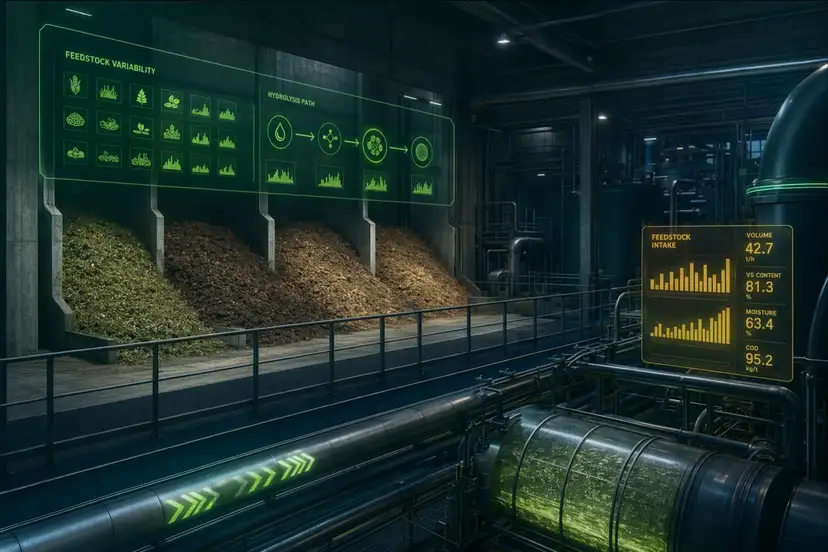
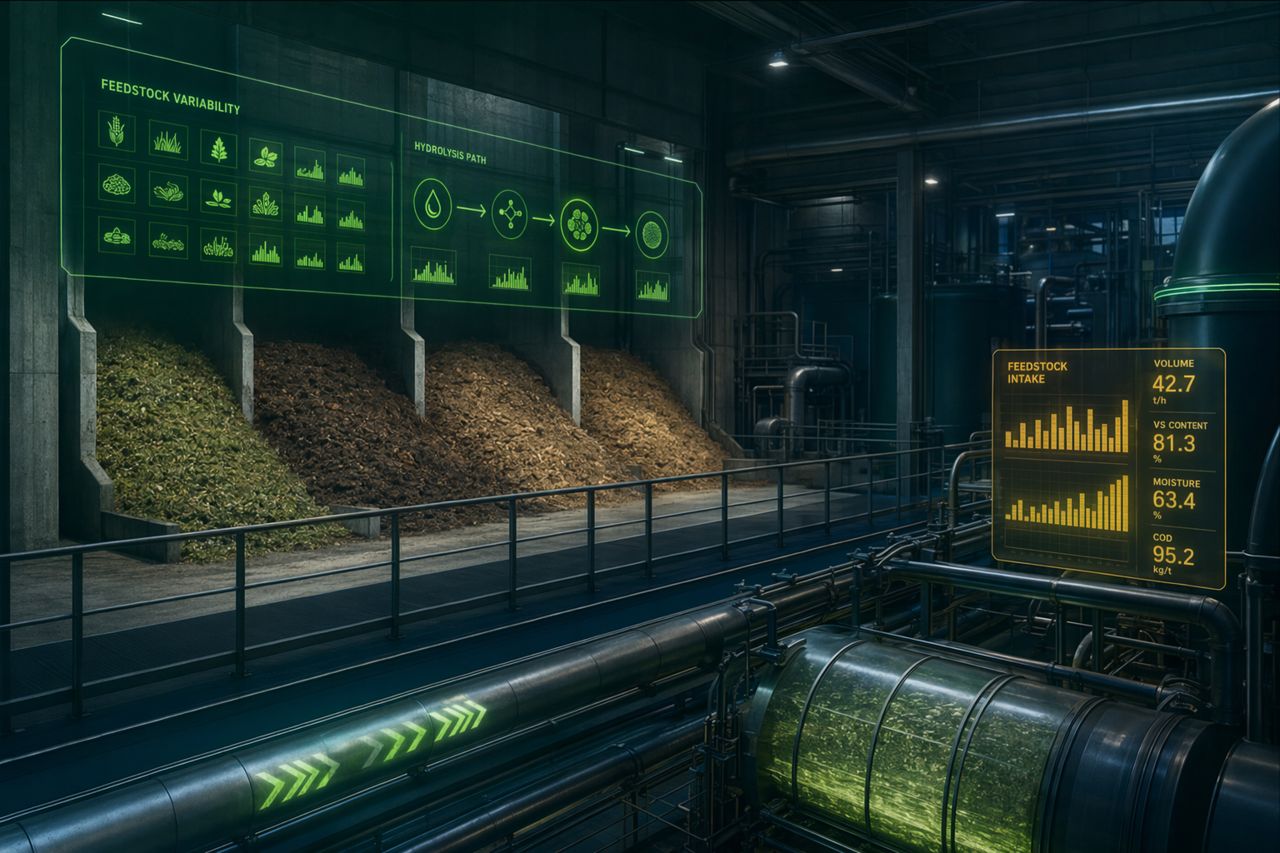
Agricultural waste streams are rarely consistent. Seasonal crop conditions, storage time, harvesting method, bedding content, sand load, fats, fiber structure, and contamination can all change the way material behaves in the digester.
Common operational shifts include:
- Slower hydrolysis from fibrous or lignocellulosic material
- Higher viscosity and reduced mixing efficiency
- More floating layers or settled solids
- Foam tendency from protein-rich or rapidly fermentable inputs
- VFA pressure when hydrolysis and methanogenesis fall out of balance
- Changes in digestate dewaterability and fiber fraction behavior
- Odor and storage handling changes after digestion
A feedstock that looks attractive on biogas potential can still create downstream cost if it increases polymer demand, slows separation, raises recirculation stress, or produces inconsistent digestate.
Start with the digestate outcome, not only the gas curve
Methane uplift matters, but it should not be isolated from the digestate profile. A stable trial looks at both sides of the process.
For new agricultural waste streams, track:
- Gas production trend and methane concentration
- VFA and alkalinity relationship
- Foaming events, crusting, or abnormal surface behavior
- Mixing load and visible viscosity changes
- Retention behavior and signs of short-circuiting
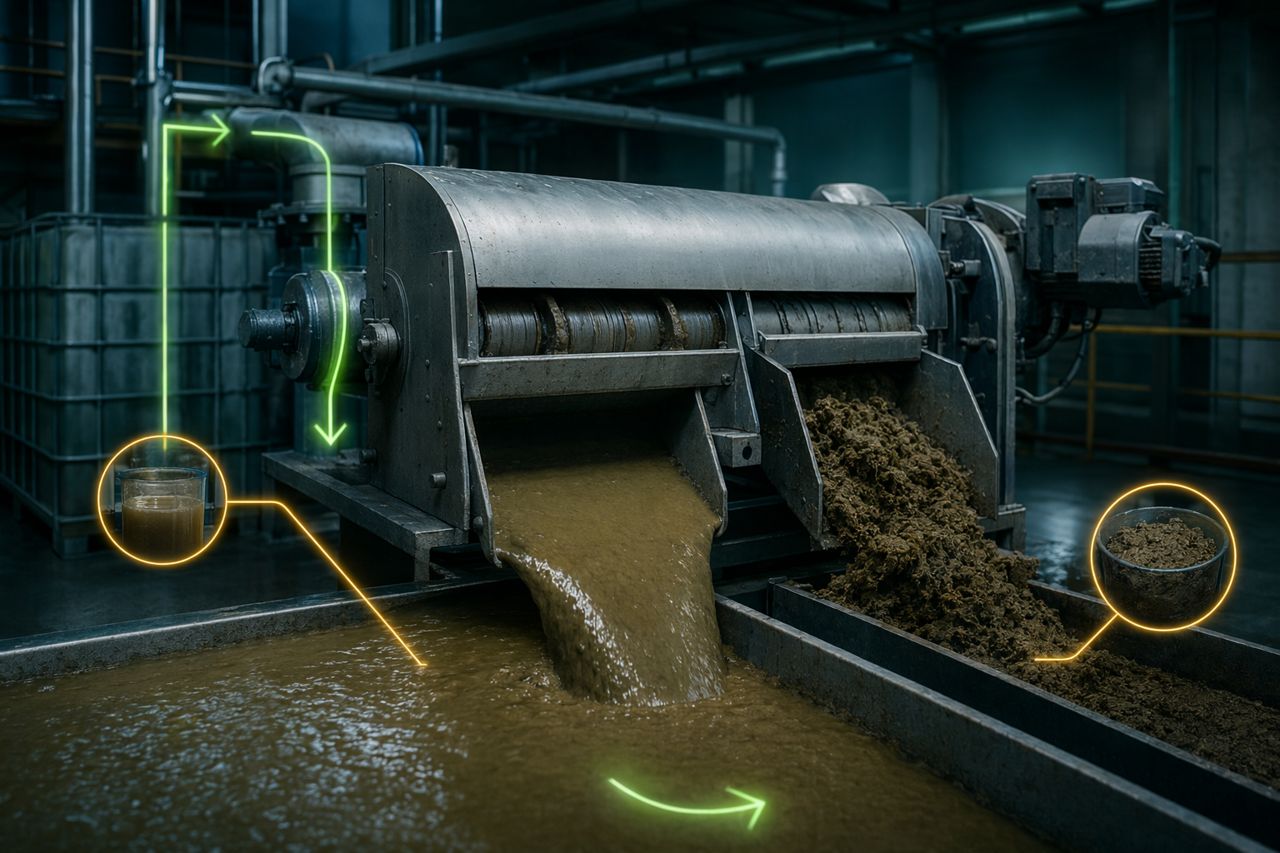
- Separation performance after digestion
- Fiber fraction consistency
- Liquid fraction clarity and handling behavior
- Storage odor and agitation response
The best feedstock addition is one the plant can keep feeding. Digestate quality is one of the clearest indicators of whether that new input is operationally sustainable inside your existing assets.
Where enzymes can help
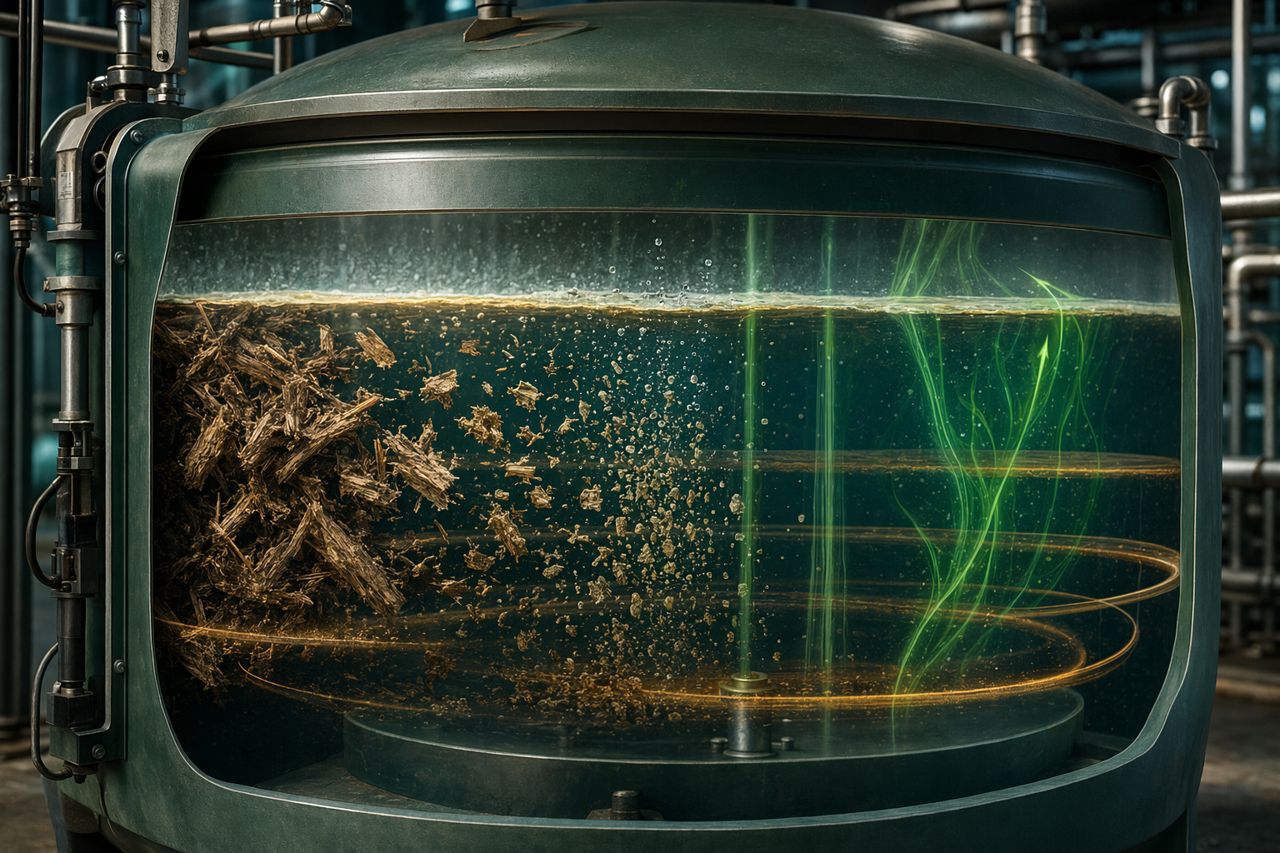
Enzymes do not make a poor operating strategy disappear. They support the biological process by improving the breakdown of difficult substrate structures before they become a bottleneck.
In agricultural waste digestion, enzyme programs are typically considered when the plant needs to:
- Open up fibrous material for faster hydrolysis
- Reduce viscosity-related process stress
- Improve access to trapped carbohydrates, proteins, or lipids
- Smooth feedstock variability between loads
- Support stable gas production during blend changes
- Reduce undigested solids carryover into digestate
- Improve consistency before separation or storage
For operations teams, the value is not a laboratory claim. The value is whether the enzyme program helps the digester handle the real feedstock blend with fewer disruptions and measurable plant results.
Digestate risks by feedstock type
Manure and slurry blends
Manure-based streams can be familiar, but bedding, sand, dilution, and farm-level handling practices change digestate performance. Watch for sediment load, fiber carryover, and viscosity shifts when manure sources change.
Crop residues and straw-rich material
High-fiber residues can slow hydrolysis and increase floating solids if the material is not adequately broken down. Enzyme support may help improve substrate accessibility and reduce the amount of persistent fibrous material leaving the digester.
Vegetable and processing waste
These streams may hydrolyze quickly and place short-term pressure on VFA stability. Digestate may look easier to pump but the digester can become less stable if feeding changes are made too aggressively.
Spoiled silage or variable crop material
Spoiled or weather-affected material can bring inconsistent fermentability. Operators should monitor foam, odor, and acid formation closely during introduction.
Mixed agricultural by-products
Mixed streams can offer strong economics but require disciplined acceptance criteria. Digestate quality can deteriorate if plastics, grit, excessive salts, or unpredictable organic loads are introduced.
A practical trial protocol for enzyme use
AneroShift recommends enzyme evaluation as an operational trial, not a blind additive purchase. The protocol should be simple enough for plant teams to run and rigorous enough for procurement to trust.
1. Define the feedstock change
Document the new waste stream, expected blend share, delivery pattern, storage condition, and known variability. Include any pre-treatment already used on site.
2. Establish the baseline
Before changing the enzyme program, capture normal plant behavior. Include gas trend, methane concentration, feed rate, VFA relationship, foam observations, mixing behavior, digestate separation performance, and any operator notes.
3. Introduce the feedstock in controlled steps
Avoid judging enzyme performance during chaotic feeding. If the waste stream is new, increase inclusion gradually and keep other major variables stable where possible.
4. Apply the enzyme program consistently
Use a defined dosing point, timing pattern, and operator checklist. Inconsistent application makes digestate results hard to interpret.
5. Measure both digestion and digestate
Track the gas curve, but also inspect what leaves the digester. Look for changes in solids texture, dewatering behavior, fiber carryover, foam frequency, odor, and storage handling.
6. Review results against commercial value
A successful enzyme trial should support a business case: stronger gas output, fewer process disturbances, easier handling, better separation, or a wider acceptable feedstock window.
What procurement should ask an enzyme supplier
When comparing suppliers, ask for plant-relevant support rather than generic product claims.
Useful questions include:
- How will the enzyme program be matched to our feedstock mix?
- What process symptoms should improve first?
- Which digestate indicators should we track during the trial?
- How do we separate enzyme impact from feedstock variability?
- What operator actions could reduce the benefit?
- How will trial success be judged before we commit to routine supply?
AneroShift answers these questions through plant-aware trial planning, feedstock review, and clear KPI selection.
Operator checklist before accepting a new agricultural waste stream
Use this checklist before the first delivery becomes routine:
- Confirm the material source and seasonal variation
- Inspect contamination risk, grit, sand, and plastics
- Review storage stability and odor profile
- Check compatibility with current feeding and mixing equipment
- Plan a gradual inclusion pathway
- Define digestate quality observations before the trial starts
- Set VFA, foam, viscosity, and gas trend review points
- Decide what result would trigger adjustment, pause, or rejection
- Align enzyme trial timing with the feedstock introduction
The bottom line
New agricultural waste streams can improve biogas plant performance when they are introduced with control. The risk is not only lower gas production. The risk is process stress that shows up later as poor digestate handling, separation issues, foaming, or inconsistent retention.
AneroShift helps biogas plants evaluate enzyme strategies around real operating constraints: faster hydrolysis, steadier methane production, foam awareness, viscosity control, and digestate quality.
Request a quote
Planning to add a new agricultural waste stream or stabilize a difficult feedstock blend? Use the on-site request a quote form to share your substrate mix, digester type, current operating concerns, and target outcomes. AneroShift will respond with a practical enzyme supply and trial approach for your plant.
[Request a quote using the on-site form]
Faceless explainer video
A one-minute faceless explainer video should be embedded here with voiceover, on-screen subtitles, and still-frame industrial visuals. The visual style should match the AneroShift system: sealed digesters at dusk, dark teal process shadows, luminous green methane-flow paths, amber KPI highlights, substrate particles breaking down, and calm data-led motion.