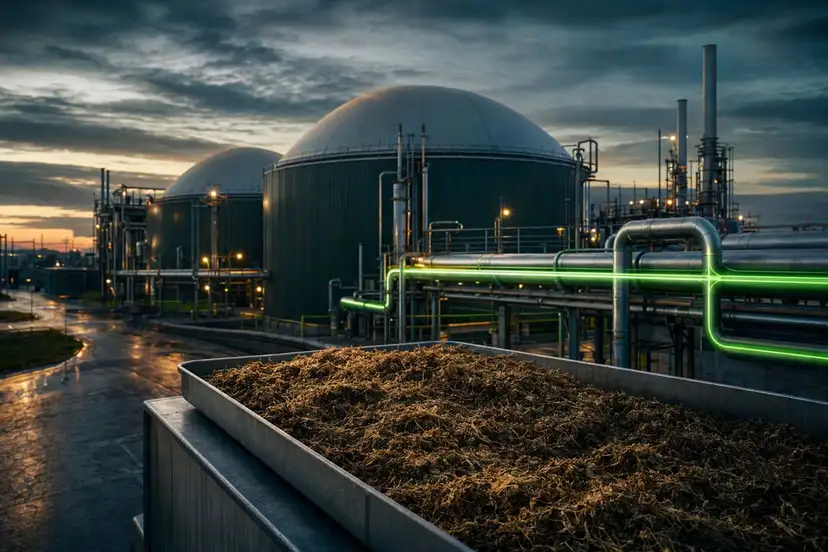
Manure Fiber Hydrolysis in Biogas: Pretreatment Watchpoints
Operational guide for biogas plants reviewing manure fiber hydrolysis, pretreatment changes, enzyme trials, digester stability, gas uplift, foam control, and VFA response.
Request pricing Operational guide for biogas plants reviewing manure fiber hydrolysis, pretreatment changes, enzyme trials, digester stability, gas uplift, foam control, and VFA response.
Request pricingManure is rarely a single, predictable substrate. Bedding, straw, feed ration, storage time, grit, dilution water, and seasonal handling all change the fiber load entering the digester. That variability matters before any plant adjusts pretreatment, enzyme dosing, retention strategy, or feed mix.
For operations managers, the goal is not to make manure look better on paper. The goal is to release more usable substrate without pushing the digester into foam, viscosity, VFA accumulation, mixing strain, or unstable methane production.
AneroShift works as an enzyme supplier for biogas production where the practical question is clear: can faster hydrolysis improve gas yield and process stability under your plant conditions?
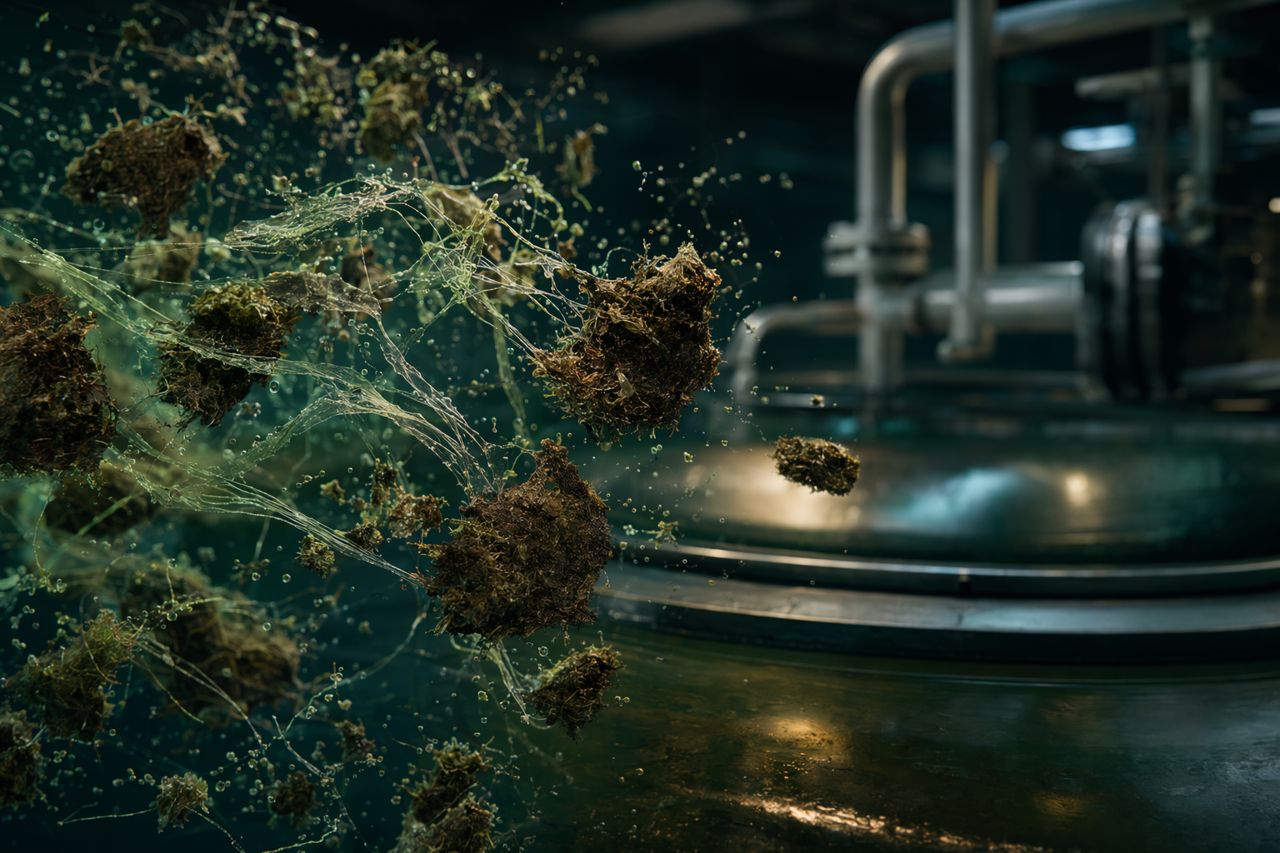
Manure fiber contains cellulose, hemicellulose, lignin-associated structures, undigested feed particles, and bedding material. Some of that material is accessible to the microbial community. Some is physically protected, poorly wetted, or slow to break down within the available hydraulic retention time.
When hydrolysis lags behind loading, operators may see:
Pretreatment can help, but changing it without a baseline can move the problem instead of solving it.
Pretreatment options often target particle size, heat exposure, wetting, fiber opening, or blend consistency. Enzymes target the hydrolysis step itself. Both can be useful, but they need the right operating context.
Before making a mechanical or thermal change, review these plant-level indicators.
Track manure source, bedding type, straw content, dilution ratio, storage time, and any co-substrate additions. A plant receiving scraped dairy manure with heavy bedding will behave differently from a plant receiving flushed manure with lower structural fiber.
Useful operator questions:
If the feedstock is changing faster than the process can adapt, pretreatment alone may not create a stable result.
Fiber hydrolysis is not only a methane-yield issue. It affects hydraulics. Poorly broken-down manure fiber can increase viscosity, reduce effective mixing, and create zones where biology sees uneven substrate exposure.
Watch for:
If viscosity is the limiting factor, the trial design should measure handling and mixing response, not only gas output.
A faster front-end breakdown is only beneficial if the downstream biology can convert intermediates steadily. When hydrolysis accelerates without enough methanogenic capacity, VFA stress can rise.
Operators should track:
A good enzyme program should support controlled accessibility, not create a sudden overload.
Manure-based digesters can foam when feedstock changes, fiber floats, proteins shift, or gas release patterns become unstable. Hydrolysis changes may affect that surface behavior.
Before making pretreatment changes, record:
Foam control is often a process-stability metric, not a side note.
Enzymes can help open parts of the fiber structure and improve access to carbohydrates that are otherwise slow to convert. In manure-rich biogas systems, a targeted enzyme approach may support:
This does not replace process control. Enzymes should be selected around substrate profile, digester temperature range, loading pattern, and stability limits.
AneroShift recommends a controlled, plant-aware trial rather than a simple before-and-after impression. The strongest trials compare similar operating windows and keep unrelated variables as stable as possible.
Before dosing or pretreatment changes, capture a practical baseline:
During the enzyme trial, keep the feed program and pretreatment settings as steady as the plant allows. Record any unavoidable changes clearly, including feed substitutions, maintenance events, weather-driven manure shifts, or co-substrate interruptions.
Focus on operational outcomes:
At review, separate gas gain from stability gain. Some plants value higher methane output first. Others need reduced process stress, fewer foam events, or better handling of high-fiber manure. A useful supplier discussion should quantify both.
Enzymes are not always the full answer. If manure arrives with large bedding clumps, excessive grit, poor blending, or highly inconsistent solids, upstream handling may still need attention.
Pretreatment changes may be justified when:
The practical approach is often staged: stabilize feed handling, evaluate enzyme-supported hydrolysis, then decide whether capital pretreatment changes are still needed.
Avoid these trial and investment errors:
If your plant is reviewing manure fiber performance, prepare a short operating snapshot before requesting a quote:
That information helps match enzyme selection and trial design to the real bottleneck.
AneroShift supplies enzyme solutions for biogas plants that need measurable hydrolysis improvement without adding unnecessary process risk.
If you are comparing pretreatment options or planning a controlled manure fiber trial, use the on-site form to share your feedstock profile and operating target.

Tell us your application and volume — we reply with pricing and lead time.
We have received your message. We will reply by email.